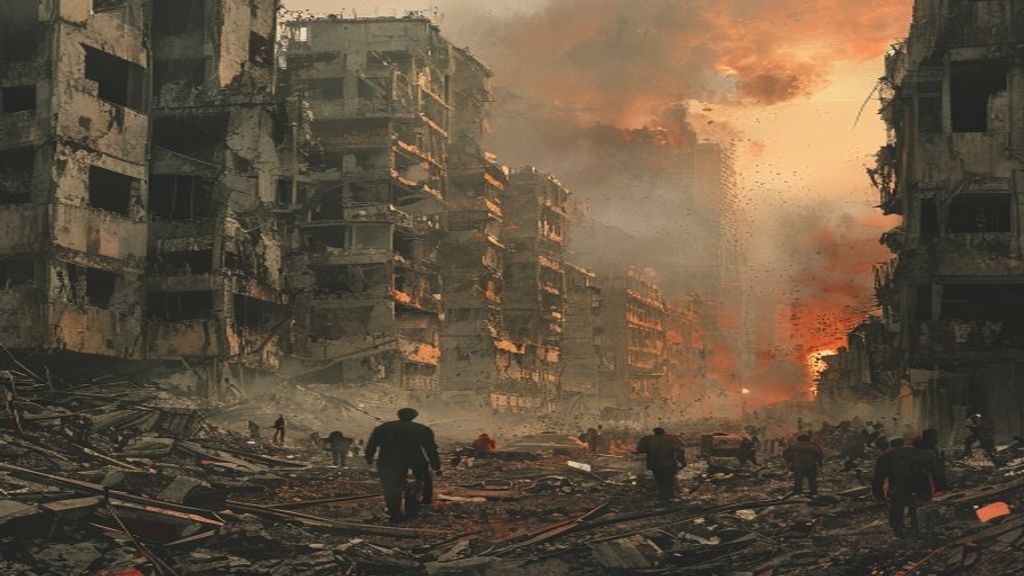
The numbers are grim, escalating daily, painting a picture of a nation in agony. Venezuela, already teetering on the precipice of economic and social collapse, now grapples with a devastating earthquake that has more than doubled its death toll in a terrifying blink. But let’s be clear: this isn’t merely a ‘natural disaster.’ This is a catastrophe amplified, a tragedy made exponentially worse by decades of systemic neglect, corruption, and a government seemingly incapable of protecting its own people.
Beyond the Tremors: A Nation Undone Before the Quake
Forget the official statements. The reality on the ground, as always, tells a far more chilling story. Venezuela wasn’t just ‘reeling’ from an earthquake; it was already reeling from years of hyperinflation, crumbling infrastructure, and a healthcare system that barely functions on a good day. Now, imagine that fragile edifice subjected to the brutal forces of a significant seismic event.
‘This isn’t about geology alone,’ explains Dr. Elena Rojas, a structural engineer who fled Venezuela in 2018. ‘We’ve known for decades that Caracas sits in an active seismic zone. The 1967 quake was a brutal lesson. Yet, what happened to building codes? To enforcement? To maintenance? The answer, tragically, is nothing. Or worse, corruption allowed shortcuts, shoddy materials, and outright dangerous construction to proliferate. What we’re seeing now is the predictable result of neglecting basic safety for political expediency and personal gain.’
- Crumbling Foundations: Many buildings, particularly in poorer areas, were already structurally unsound, victims of deferred maintenance and lack of investment.
- Healthcare Overwhelmed: Hospitals, often lacking basic supplies and even electricity, are now facing a surge of critically injured patients without the capacity to treat them.
- Logistical Nightmare: Roads and bridges, already in disrepair, are now damaged, hindering rescue efforts and the distribution of what little aid might arrive.
The Unseen Cost: Economic Ruin Meets Human Despair
The immediate human toll is heartbreaking, but the long-term economic and social ramifications are equally staggering. How does a nation with virtually no foreign reserves, sanctions, and a decimated oil industry fund a massive reconstruction effort? The answer, frankly, is it doesn’t.
‘We’re looking at a humanitarian crisis on an unimaginable scale,’ warns María González, a veteran aid worker with experience across Latin America. ‘Access is already incredibly difficult. Fuel shortages cripple transport. The government’s transparency is non-existent. International aid, if it comes, will face monumental hurdles, not least ensuring it actually reaches those who need it, rather than disappearing into the black hole of corruption.’
The quake compounds the migration crisis. Expect another surge of Venezuelans attempting to flee, desperate for safety, medical care, and a future that their homeland can no longer offer.
Why This Matters: A Warning for the World
This Venezuelan tragedy isn’t just a local news story; it’s a stark, horrifying parable. It illustrates what happens when political ideology trumps practical governance, when infrastructure is allowed to rot, and when the welfare of citizens becomes secondary to maintaining power.
This isn’t just a natural disaster; it’s a man-made catastrophe, exacerbated by nature. The world must recognize the complex interplay here. Providing aid is crucial, yes, but it must be done with eyes wide open to the systemic issues that allowed this devastation to reach such horrifying proportions. It demands accountability, transparency, and a long-term strategy that goes beyond band-aid solutions.
Actionable Insights for Concerned Observers:
- Demand Transparency: Pressure international bodies to ensure any aid reaching Venezuela is rigorously monitored.
- Support Grassroots Efforts: Where possible, channel support through trusted NGOs and local community organizations.
- Advocate for Accountability: Keep the spotlight on the Venezuelan government’s responsibility for its citizens’ safety and well-being, both before and after the quake.
The tremors may subside, but the aftershocks of this disaster – political, economic, and human – will reverberate through Venezuela for years, perhaps decades, to come. It’s a tragedy that demands more than just our sympathy; it demands our critical attention and a fierce demand for change.