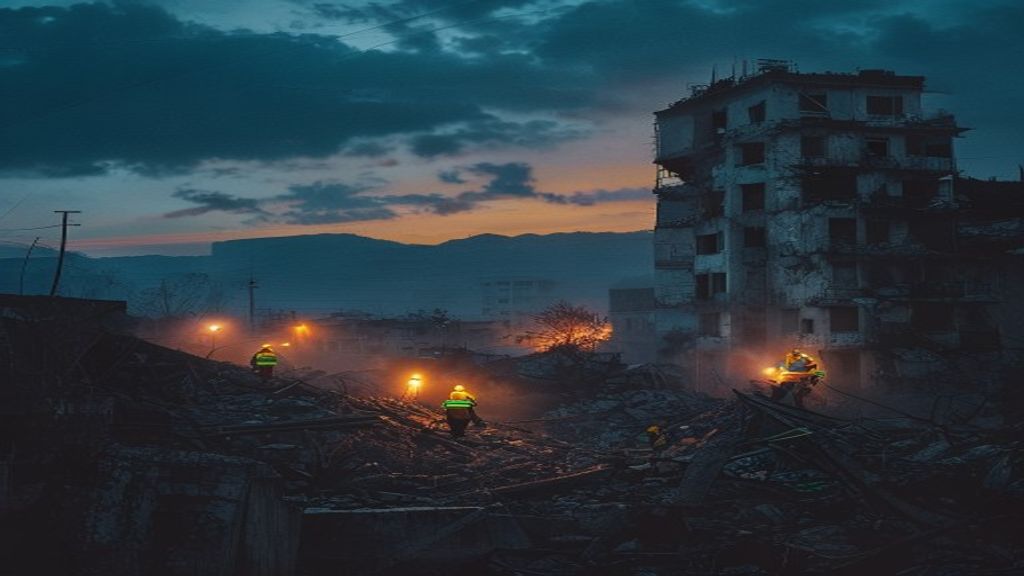
The earth shook, but it was decades of systemic decay that brought the concrete down. As rescue teams claw through the rubble in Caracas and surrounding coastal towns, the official death toll from Venezuela’s catastrophic earthquake has surged past 900. It is a staggering human tragedy, but to label this purely a ‘natural’ disaster is to ignore the uncomfortable truth staring us in the face.
The Fault Lines of Neglect
Seismologists have warned for years about the vulnerability of Venezuela’s northern coast. Yet, when the tectonic plates shifted, they met an infrastructure already hollowed out by economic collapse, hyperinflation, and a total lack of building code enforcement. The multi-story informal settlements—the barrios that cling precariously to the hillsides of Caracas—stood no chance.
This was a disaster foretold. Unlike modern seismically active cities like Santiago or Tokyo, where strict engineering codes mitigate disaster, Venezuela’s regulatory oversight vanished years ago. Developers bypassed safety standards, and the government turned a blind eye to substandard concrete and unreinforced masonry.
‘The Hospitals Have No Power’
The immediate aftermath has exposed a crippled healthcare system. Dr. Elena Rodriguez, a trauma specialist volunteering at a makeshift triage center in Maracay, painted a grim picture: ‘We are operating by flashlight. We lack basic sterile bandages, let alone the surgical equipment needed to treat crush injuries. The earthquake broke the buildings, but our broken system is what is keeping the death toll rising.’
The Geopolitical Bottleneck: Will Aid Reach the Victims?
In any other nation, a disaster of this scale triggers an immediate, frictionless influx of global aid. In Venezuela, nothing is simple. The complex web of international sanctions, combined with the regime’s historical distrust of foreign intervention, threatens to choke the supply lines of desperately needed search-and-rescue equipment.
- Logistical Paralysis: Fuel shortages across the country mean that heavy machinery cannot reach isolated mountain towns where hundreds remain trapped.
- The Sanctions Dilemma: While humanitarian exemptions exist, international banks remain hesitant to process transactions, delaying the purchase of emergency medical supplies.
- Aid Diversion Risks: Local NGOs warn that aid must be funneled directly to independent organizations like the Red Cross rather than state-controlled entities to prevent political weaponization of relief goods.
The Bigger Picture: A Warning for the Global South
What is unfolding in Venezuela is a stark warning for vulnerable urban centers across the developing world. Rapid, unregulated urbanization combined with climate vulnerability and political instability is a recipe for mass casualty events. As global temperatures rise and seismic pressures continue to build along major fault lines, other highly populated, under-prepared metro areas are ticking time bombs.
How to Help: Actionable Steps for Global Citizens
If you want to support the victims of this tragedy, bypass the bureaucratic red tape and support organizations working directly on the ground:
- Support Local First Responders: Donate to independent groups like the Venezuelan Red Cross or local civil defense volunteer networks who are actively digging survivors out of the rubble.
- Fund Medical Relief: Organizations like Doctors Without Borders (MSF) already have boots on the ground and are bypassing state bottlenecks to deliver trauma care.
- Advocate for Targeted Sanctions Relief: Pressure international policymakers to streamline humanitarian banking corridors specifically for disaster response.