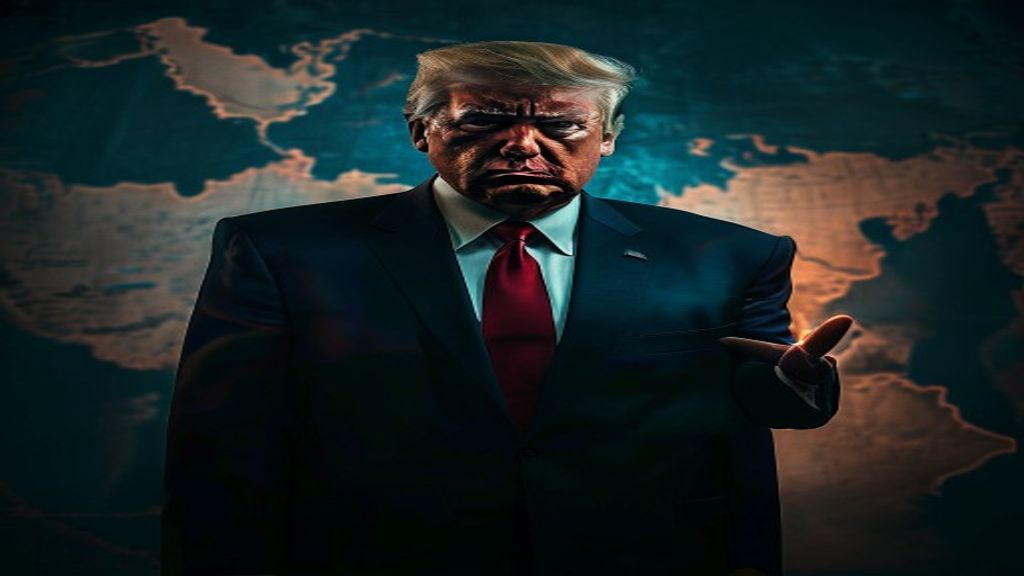
Donald Trump’s recent declaration – that he feels no political pressure to strike a deal with Iran – isn’t just a soundbite. It’s a calculated statement with profound implications, signaling a potential shift in the already fraught geopolitical dance surrounding Tehran’s nuclear ambitions and regional influence. For anyone tracking global stability, energy markets, or the intricate web of international diplomacy, this isn’t merely political rhetoric; it’s a strategic pronouncement that demands a closer look.
The Backdrop: A Decades-Long Standoff
To understand the weight of Trump’s words, we need to rewind a bit. The relationship between the U.S. and Iran has been defined by decades of mistrust, sanctions, and proxy conflicts. The landmark 2015 Joint Comprehensive Plan of Action (JCPOA), commonly known as the Iran nuclear deal, represented a fragile attempt to de-escalate tensions by limiting Iran’s nuclear program in exchange for sanctions relief. However, the U.S. withdrawal from the deal in 2018 under the Trump administration, followed by the re-imposition of crippling sanctions, plunged the situation back into uncertainty.
Since then, the diplomatic path has been a series of starts and stops, often overshadowed by escalating rhetoric and regional skirmishes. Each move, from increased uranium enrichment by Iran to targeted strikes and naval incidents, has ratcheted up the tension. The question of a ‘new deal’ has consistently loomed, with various international actors pushing for a diplomatic resolution to prevent further escalation.
‘No Pressure’: A Strategic Play or Genuine Conviction?
When Trump says he feels no pressure, what exactly does that mean? There are a few interpretations worth considering:
- Negotiating Leverage: In the world of high-stakes diplomacy, projecting an image of indifference can be a powerful tactic. By stating he’s not desperate for a deal, Trump might be attempting to weaken Iran’s negotiating position, suggesting the U.S. is prepared to maintain its current stance indefinitely, or even escalate, without a favorable agreement.
- Domestic Audience: This statement also plays well to a domestic base that often views a tough stance on Iran as a sign of strength. It reinforces a ‘America First’ approach, where foreign policy decisions are framed as being free from external or even internal political constraints.
- A Reflection of Reality: It’s also plausible that, from his perspective, the current strategy of ‘maximum pressure’ is deemed effective enough, or at least sustainable, without the immediate need for a grand bargain. This suggests a long-game approach, perhaps waiting for internal pressures within Iran to force a more compliant posture.
This isn’t just about a former president speaking his mind; it’s about a figure who has demonstrably shaped U.S. foreign policy and whose future influence remains significant. His words carry weight, not only among his supporters but also in the calculations of adversaries and allies alike.
Implications for Tehran: Hardliners Strengthened?
For Iran, Trump’s stance presents a complex challenge. Hardliners within the Iranian regime could interpret this as further proof that negotiations with the U.S. are futile, strengthening their argument for a more confrontational approach or accelerated nuclear development. Conversely, it could also be seen as an opportunity to double down on their own demands, knowing that the U.S. is not operating under a strict timeline.
The Iranian economy, already grappling with sanctions, continues to face significant pressure. While the leadership often projects resilience, the long-term impact on its citizens is undeniable. A U.S. position of ‘no pressure’ could mean prolonged economic hardship for Iran, potentially leading to increased internal dissent or, paradoxically, a greater resolve to resist external demands.
Regional Ripples and Global Stability
The Middle East is a geopolitical tinderbox, and the Iran question is central to its stability. Trump’s declaration will undoubtedly be scrutinized by regional players:
- Israel: A steadfast opponent of Iran’s nuclear program, Israel might view this stance as a positive, signaling continued U.S. resolve against Tehran. However, it also raises questions about the potential for unilateral actions or further regional destabilization if diplomatic avenues remain closed.
- Saudi Arabia and Gulf States: These nations, long wary of Iranian influence, might see this as an endorsement of their own tough stance, potentially emboldening them in regional power struggles.
- Europe: European allies, who have consistently advocated for a return to diplomacy and the JCPOA, will likely view this with concern. A ‘no pressure’ approach from the U.S. could complicate their efforts to de-escalate tensions and maintain channels for negotiation.
Beyond the region, the lack of a clear path to an Iran deal has broader implications for non-proliferation efforts and the global energy market. Persistent uncertainty around Iran’s nuclear program fuels proliferation concerns, while any escalation in the Persian Gulf could send shockwaves through oil prices and supply chains.
The Road Ahead: What to Watch For
Trump’s statement, while significant, doesn’t necessarily dictate the future course of U.S.-Iran relations, especially given the dynamic nature of international politics. However, it certainly sets a tone and offers insight into a potential approach should he return to office or continue to exert influence.
Key areas to monitor include:
- Iranian Reactions: How will Tehran respond, both rhetorically and in terms of its nuclear activities and regional actions?
- International Diplomacy: Will other global powers intensify their efforts to mediate or find alternative diplomatic solutions?
- Economic Impact: How will prolonged sanctions and the absence of a deal affect Iran’s economy and its people?
- Regional Security: What are the implications for the broader Middle East, particularly regarding potential proxy conflicts or maritime security?
In essence, Trump’s ‘no pressure’ stance on an Iran deal isn’t a simple dismissal; it’s a strategic move that introduces another layer of complexity into an already volatile situation. It underscores the deep divisions in how to approach Iran and ensures that the path forward will be anything but straightforward.