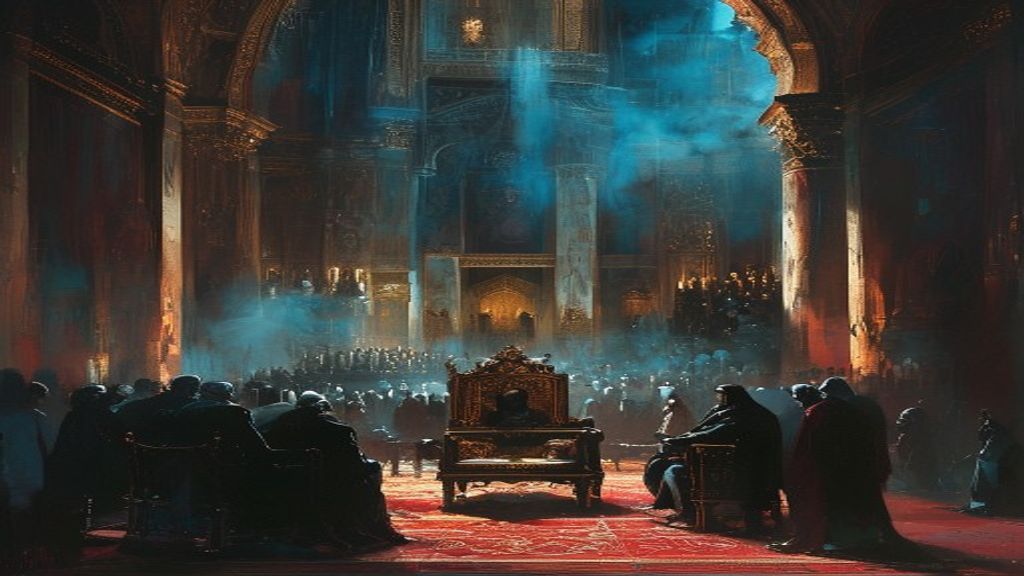
Tehran’s streets, a stage. Millions, a meticulously curated spectacle. The images flooding our screens show a capital engulfed in a sea of black, ostensibly mourning the passing of Iran’s Supreme Leader, Ayatollah Ali Khamenei. But let’s be clear: this isn’t merely a funeral. This is a deliberate, calculated display of power, a meticulously choreographed message to both the Iranian populace and the world.
As veteran observers of the Islamic Republic, we know better than to take such scenes at face value. While genuine grief undoubtedly exists for some, the sheer scale and uniformity of the procession reek of state orchestration, a stark reminder of the regime’s iron grip on public life. It’s a performative act designed to project stability and unity at a moment of profound vulnerability.
The Succession Game: Who Holds the Cards?
Khamenei’s death ignites the most critical succession crisis in Iran’s modern history. For decades, he was the ultimate arbiter, the linchpin holding together a complex, often fractious web of clerical, military, and political factions. Now, that linchpin is gone.
The immediate focus falls on the Assembly of Experts, the clerical body tasked with choosing the next Supreme Leader. But make no mistake, the real power brokers are the Islamic Revolutionary Guard Corps (IRGC) and the shadowy networks of influential clerics and politicians who have been positioning themselves for this moment for years. “This isn’t a democratic election; it’s a backroom deal among the most powerful players,” says Dr. Parisa Rahman, a former diplomat specializing in Iranian affairs. “The IRGC will likely play kingmaker, ensuring a successor who safeguards their interests and the ‘revolutionary’ ideals they champion.”
Potential Successors & Their Implications
- Ebrahim Raisi: The current President, a hardliner with a brutal human rights record, has long been groomed. His elevation would signal a continuation of the current repressive trajectory.
- Mojtaba Khamenei: The late leader’s son. While a dynastic succession is ideologically problematic for the Islamic Republic, his deep ties within the IRGC and clerical establishment make him a dark horse. His ascent could consolidate power even further within a select few.
- Other Senior Clerics: Less prominent figures might emerge as compromise candidates, but their ability to command loyalty from all factions remains untested.
Why This Matters: Global Ripples from Tehran’s Turmoil
The leadership transition in Tehran isn’t an internal affair; it’s a global flashpoint. The implications are staggering, touching everything from oil markets to regional stability and the future of nuclear proliferation.
Economic Instability: Iran’s political uncertainty will send shivers through global markets. “Any perceived instability in a major oil producer like Iran immediately impacts crude prices,” warns Sarah Jenkins, a geopolitical risk analyst. “Expect volatility, and potentially, a significant upward pressure on energy costs as traders price in the unknown.” This comes at a time when global inflation is already a major concern.
Regional Volatility: Iran’s vast network of proxy forces – Hezbollah, Hamas, the Houthis – will be watching closely. A new leader could either double down on aggressive regional policies or, less likely, seek a path of de-escalation. The security of Israel, Saudi Arabia, and Gulf states hangs in the balance.
Nuclear Ambitions: Perhaps the most critical concern. Will a new leader accelerate Iran’s nuclear program, push for a breakthrough, or open a door for renewed negotiations? The stakes couldn’t be higher for global non-proliferation efforts.
Internal Dissent: Despite the orchestrated funeral, deep wells of dissent simmer beneath the surface in Iran. The ‘Woman, Life, Freedom’ movement demonstrated the profound yearning for change. A new, potentially weaker leader could embolden protestors, leading to renewed clashes and instability.
Actionable Insight: What to Watch For Next
Don’t be swayed by the carefully crafted images. Here’s what smart observers will be tracking:
- IRGC Statements: Their pronouncements, or lack thereof, regarding the succession will be critical.
- Assembly of Experts’ Pace: A swift, unanimous decision suggests a pre-ordained successor; a prolonged, contentious process signals deep divisions.
- Market Reactions: Keep an eye on oil futures and the value of the Iranian Rial.
- Regional Proxy Activity: Any sudden escalation or de-escalation by Iran-backed groups could signal a shift in leadership directives.
The throngs in Tehran were a performance. The real drama, the true test of Iran’s future, is just beginning. The world needs to look beyond the spectacle and understand the intricate, dangerous power plays unfolding behind the scenes.