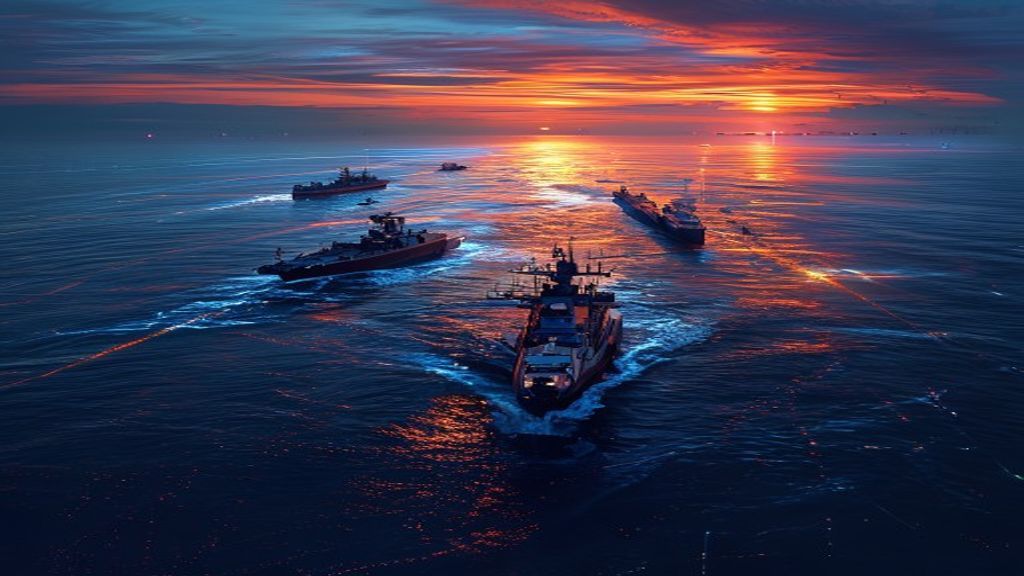
The Strait of Hormuz isn’t just a shipping lane; it’s the jugular vein of the global economy, a choke point where geopolitics, oil, and military might collide. And right now, it’s a powder keg, freshly ignited. The U.S. has hit dozens of Iranian targets, a ‘retaliatory’ response to attacks on commercial vessels. But let’s be blunt: calling this mere retaliation simplifies a dangerous, intricate dance that’s been playing out for decades, threatening to spiral into something far uglier.
The Strait: A Fuse Lit Long Ago
Forget the news soundbites; understand the geography. A third of the world’s liquefied natural gas and almost a quarter of total global oil consumption passes through this narrow waterway. For Iran, it’s both a lifeline and a weapon. They’ve long understood its strategic leverage, often threatening closure or disrupting traffic as a geopolitical pressure tactic. The latest attacks on ships, whether directly attributed or through proxies, are a grim reminder of this enduring reality.
These aren’t isolated incidents. They’re calculated moves in a protracted shadow war, a complex tapestry woven with sanctions, proxy conflicts across the Middle East, and a deep-seated distrust that borders on animosity. The U.S. strikes are a clear signal, a show of force meant to deter further aggression. But deterrence in this region is a notoriously fickle beast.
‘We’re witnessing a calibrated escalation, not a de-escalation,’ says Dr. Anya Sharma, a veteran geopolitical risk analyst. ‘Both sides are testing boundaries, sending messages. The real danger isn’t necessarily an all-out war – neither side truly wants that – but rather a series of miscalculations that push us over the brink.’
The Economic Dominoes: Why Your Wallet Cares
When the Strait of Hormuz sneezes, the global economy catches a cold. Immediately, we see ripples:
- Oil Prices: Expect volatility. Any perceived threat to supply sends crude prices north, impacting everything from your gas tank to manufacturing costs.
- Shipping Insurance: Premiums for vessels transiting the Strait will skyrocket. This isn’t theoretical; it directly increases the cost of goods for every nation reliant on this route.
- Global Supply Chains: Delays, rerouting, and increased costs could snarl supply chains already recovering from recent disruptions. Think about the ripple effect on consumer goods, electronics, and food.
It’s not just about oil. It’s about confidence. Businesses hate uncertainty, and the Strait of Hormuz is now a flashing red light of instability for global commerce.
The Bigger Picture: A Region on a Knife’s Edge
These strikes are a localized event with profound regional and global implications. The Middle East is already a labyrinth of interconnected conflicts – Yemen, Syria, Iraq, Lebanon. The Strait of Hormuz incident injects another potent dose of instability into this volatile mix.
- Proxy Warfare: Iran’s network of proxies is vast and capable. Retaliation could come in many forms, far from the Strait itself, targeting U.S. interests or allies across the region.
- Regional Alliances: The strikes test existing alliances and potentially solidify new ones. How will Saudi Arabia, UAE, and other Gulf states react? Their economic and security futures are inextricably linked to the Strait’s stability.
- The Human Cost: Beyond the geopolitical chess, there are millions of lives at stake. Escalation means increased suffering, displacement, and a further erosion of human security.
Admiral Mark Jensen (Ret.), a former U.S. naval commander, minced no words: ‘The margin for error in the Strait is razor-thin. One wrong move, one misidentified vessel, one overzealous commander, and this controlled burn could become a regional inferno.’
Actionable Takeaways for a Wary World
So, what do we do with this information? Panic is not an option, but informed vigilance is crucial:
- For Investors: Diversify. Monitor energy markets, shipping indices, and defense sector stocks closely. Geopolitical stability is a commodity in short supply.
- For Businesses: Re-evaluate supply chain resilience. Are you over-reliant on single shipping routes? Explore alternative logistics and contingency plans.
- For Policymakers: Dialogue, however difficult, is paramount. De-escalation strategies must be pursued aggressively, alongside robust deterrence. The world cannot afford a full-blown conflict in this critical region.
- For Citizens: Understand the true cost of conflict. Beyond headlines, these tensions affect your daily life, from gas prices to the stability of the global order. Demand accountability and intelligent diplomacy from your leaders.
The Strait of Hormuz isn’t just a distant flashpoint. It’s a mirror reflecting the fragility of our interconnected world. The U.S. strikes are a chapter, not the end of the story. The next moves, by Washington, Tehran, and their allies, will dictate whether this powder keg is finally defused or explodes, sending shockwaves across the globe.