Iran’s Missile Gambit: Escalation or Bluster?
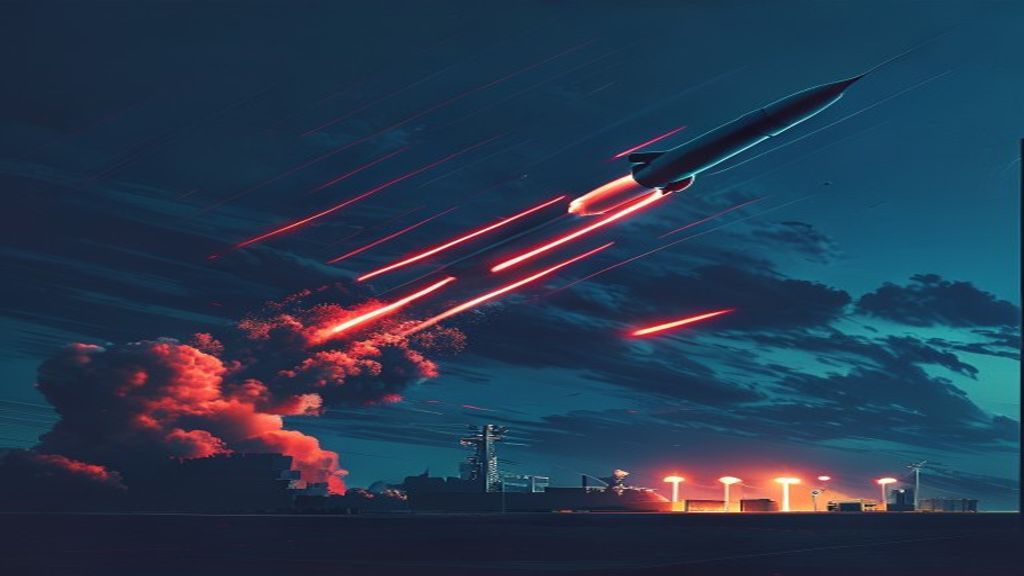
The Pentagon’s announcement that U.S. forces intercepted Iranian missiles aimed at Kuwait has sent tremors through the already volatile Middle East. This isn’t just another skirmish; it’s a stark reminder that the region remains a tinderbox, and Iran possesses the means to strike at American interests. But what’s the real story behind this alleged intercept? Is it a genuine act of aggression, a desperate show of force, or something else entirely?
Beyond the Headlines: Decoding the Intent
Central Command’s statement is clear: missiles were fired, and they were intercepted. The implications are profound. For years, Iran has honed its ballistic missile program, a key component of its asymmetric warfare strategy. This alleged incident, if proven, moves beyond proxy skirmishes and directly involves Iranian-launched ordnance threatening American personnel.
Dr. Anya Sharma, a geopolitical analyst specializing in Persian Gulf security, offered her perspective: “This isn’t just about a missile launch; it’s about signaling. Iran is testing the boundaries. Are they trying to deter further U.S. actions? Or are they seeking to provoke a response to rally domestic support or international condemnation against the U.S.? The ambiguity is where the danger lies.”
A History of Shadow Play
We’ve seen this playbook before. Iran’s reliance on its missile capabilities is a constant in regional dynamics. Remember the attacks on Saudi oil facilities? Or the strikes on U.S. bases in Iraq? These weren’t random acts; they were calculated messages. This alleged Kuwait incident fits a pattern, but the direct targeting of American forces, even if intercepted, escalates the narrative significantly.
The question isn’t just *if* Iran has the capability, but *why* they would deploy it in this manner now.
The Bigger Picture: Economic Ripples and Global Stability
The immediate impact is felt in the markets. Oil prices, ever sensitive to Middle East tensions, will likely see volatility. Any perception of direct conflict involving U.S. assets and Iran creates uncertainty, driving up the cost of doing business and potentially slowing global economic recovery.
Moreover, this incident puts immense pressure on diplomatic channels.
- Increased Military Posturing: Expect heightened U.S. and allied military readiness in the region.
- Diplomatic Standoff: Negotiations, already strained, could become even more difficult.
- Regional Alliances Tested: Allies in the Gulf will be watching closely, assessing their own security.
What This Means for You
Even if you’re thousands of miles away, geopolitical instability has tangible effects.
- Consumer Prices: Higher energy costs translate to higher prices for everything from gasoline to manufactured goods.
- Investment Uncertainty: Global markets can react sharply to perceived escalations, impacting retirement accounts and investments.
- Geopolitical Awareness: Understanding these events helps us make informed decisions and appreciate the delicate balance of global security.
The narrative surrounding this alleged missile intercept is still unfolding. Is it a calculated move by Tehran to assert its presence, or a dangerous miscalculation? The world is watching, and the stakes couldn’t be higher.