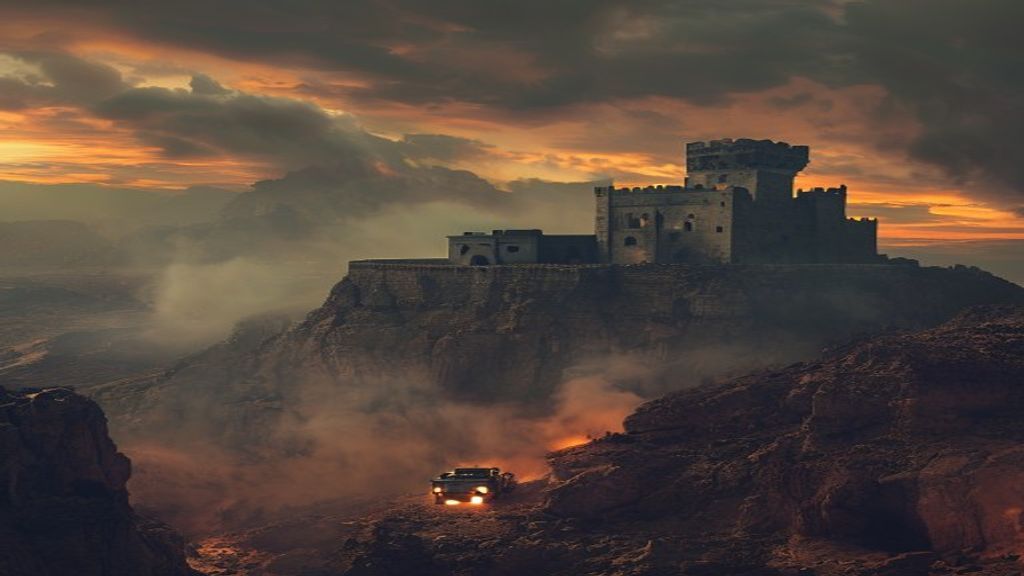
The Battle for Lebanon’s Soul, One Castle at a Time
Reports are flooding in: Israel has seized a castle in Lebanon. This isn’t just another headline about border skirmishes; it’s a stark symbol of a conflict escalating beyond its immediate parameters. The strategic capture of a historical stronghold, reportedly located in southern Lebanon, signals a potentially deeper Israeli objective – not just territorial control, but a **redefinition of the regional security map**.
Let’s cut through the noise. When a nation’s military expands its ground offensive to include ancient fortifications, it’s not merely about pushing back an adversary. It’s about projecting power, establishing undeniable strategic footholds, and perhaps, sending a message that resonates through generations. This castle, likely with centuries of history etched into its stones, now becomes a pawn in a modern geopolitical chess match.
Historical Echoes and Modern Implications
Think about the historical significance. Castles weren’t just defensive structures; they were centers of power, control, and identity. For Israel to seize such a place in Lebanon, it evokes historical narratives of occupation and control, inevitably stoking deep-seated resentments and fears on the Lebanese side. This act is bound to inflame tensions, potentially drawing in other regional actors or galvanizing support for Hezbollah.
Dr. Anya Sharma, a Middle East political analyst, weighed in: “The seizure of a historically resonant site like a castle is a potent symbolic move. It goes beyond military necessity; it’s about narrative control and asserting dominance in a way that resonates deeply with local populations. This could harden positions on both sides and make de-escalation significantly harder.”
The Bigger Picture: Beyond the immediate battlefield
This isn’t just about Lebanon and Israel. The implications ripple outwards.
- Regional Instability: Such aggressive territorial expansion, especially involving symbolic locations, risks igniting a wider regional conflict. Iran, Syria, and other players are watching closely.
- Economic Fallout: Increased conflict deters investment, disrupts trade routes, and diverts resources from development. The economic toll on Lebanon, already fragile, will be immense. International aid and reconstruction efforts could be jeopardized.
- Humanitarian Crisis: Ground offensives invariably lead to civilian displacement and suffering. The seizure of territory, particularly a strategic point, suggests a prolonged engagement, exacerbating an already dire humanitarian situation.
What This Means for You
Even if you’re thousands of miles away, this geopolitical shift matters.
- Investment Uncertainty: Global markets are sensitive to geopolitical instability. Expect potential volatility in oil prices and emerging market investments.
- Geopolitical Awareness: Understanding these moves is crucial for informed decision-making, whether you’re an investor, a business owner, or simply a global citizen.
- The Cost of Conflict: Ultimately, prolonged conflict drains global resources that could be used for pressing issues like climate change or global health.
The seizure of this Lebanese castle is more than a military maneuver; it’s a **geopolitical statement with profound, far-reaching consequences**. It’s a stark reminder that history isn’t just in textbooks; it’s being written, and fought over, right now.