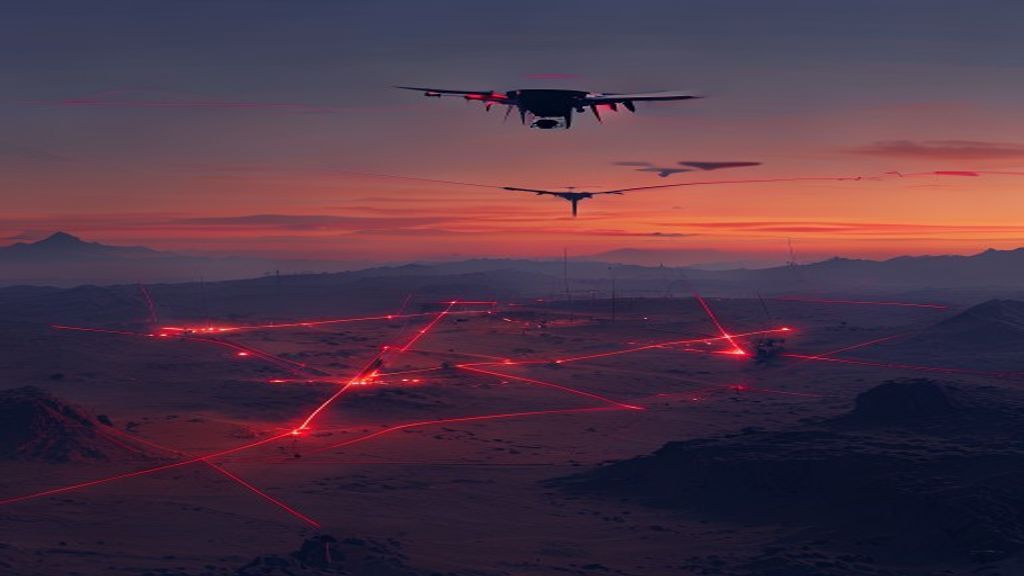
Forget the headlines that skim the surface. The deadly drone strike on Tower 22 in Jordan, killing three American service members and wounding dozens, isn’t just another incident in a volatile region. It’s a calculated, brazen escalation – a direct challenge from Iran’s proxy network that demands an immediate, clear-eyed response from Washington.
For too long, the shadow war in the Middle East has simmered, often out of sight, out of mind for many Americans. But the blood shed in Jordan brings it into sharp, tragic focus. This wasn’t a random hit; it was a sophisticated, coordinated attack on a critical logistical hub near the Syrian border, a clear signal from Tehran that its ‘Axis of Resistance’ is willing to push boundaries further than ever before.
The Unsettling Pattern: A Test of Resolve
This isn’t an isolated event. Over 160 attacks have targeted U.S. forces in Iraq and Syria since the October 7th Hamas assault on Israel. While many were shrugged off as minor, the Jordan attack crosses a critical threshold. It’s no longer just about harassing; it’s about killing. And the questions it raises are profound:
- Why now? With regional tensions at an all-time high, Iran and its proxies are clearly testing the Biden administration’s resolve, seeking to exploit perceived weakness or distraction.
- Where’s the deterrence? The repeated attacks suggest existing deterrence strategies aren’t working. As Dr. Lena Khan, a Middle East security analyst, put it, ‘Tehran views the current U.S. posture as a green light, not a red line. The absence of a robust, punitive response has only emboldened them.’
- What are the true objectives? Beyond retaliating for Gaza, Iran likely aims to push U.S. forces out of the region and solidify its own sphere of influence.
The Economic and Geopolitical Ripple Effect
The immediate human cost is devastating, but the ripple effects will extend far beyond the barracks in Jordan. Get ready for:
- Oil Market Volatility: Any serious U.S. response, particularly one involving direct strikes on Iranian assets or proxies, could send crude oil prices soaring, impacting global economies already grappling with inflation.
- Defense Sector Boom: Expect increased demand for defense spending, advanced air defense systems, and intelligence capabilities. Companies in this sector will likely see a boost.
- Diplomatic Fallout: Allies will be watching closely. A weak response could signal declining U.S. reliability; an overzealous one could risk broader regional conflict.
Retired General Mark Kincaid, a former CENTCOM commander, warned, ‘This isn’t just about military targets. This is about psychological warfare, designed to fracture alliances and create chaos. Our response must be surgical, decisive, and leave no doubt about our intent.’
Why This Matters: The Bigger Picture
This isn’t merely a debate about military strategy; it’s a critical juncture for U.S. foreign policy and global stability. The attack in Jordan underscores several uncomfortable truths:
- The Proxy War is Real: Iran’s use of proxy groups like the Islamic Resistance in Iraq is a sophisticated, low-cost way to project power and avoid direct accountability. We ignore it at our peril.
- Regional Interconnectedness: The conflicts in Gaza, Yemen, Syria, Iraq, and now Jordan are not isolated. They are all nodes in a larger, Iranian-orchestrated strategy.
- A Test of Leadership: The world is watching how the U.S. responds. The credibility of American power and its commitment to its personnel and allies hangs in the balance.
Actionable Takeaway for Readers: Don’t dismiss this as another Middle East flare-up. Monitor energy markets for volatility, understand the deep geopolitical currents at play, and recognize that the stakes have just been dramatically raised. The era of ignoring the shadow war is over. The consequences are now tragically, undeniably real.