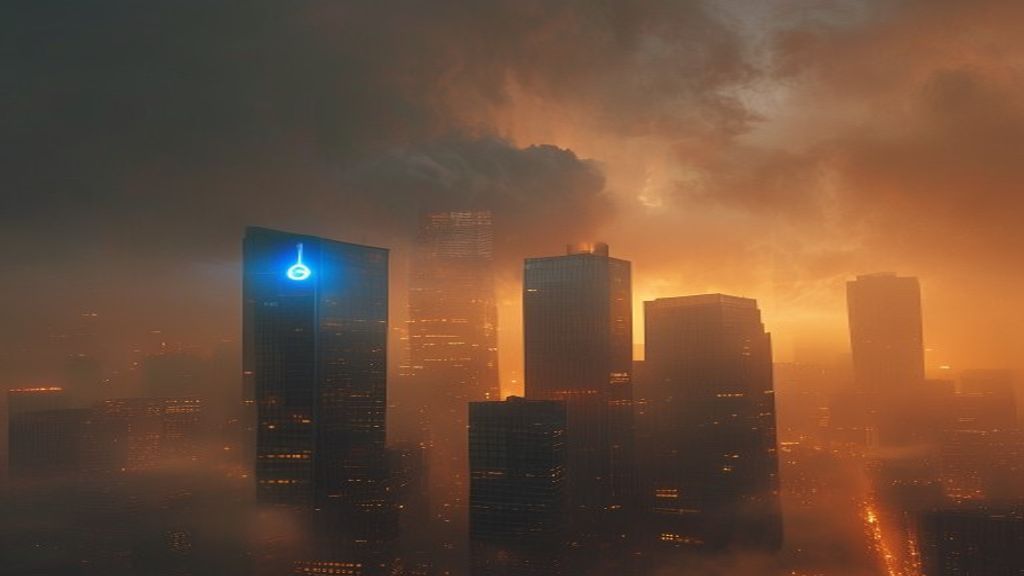
The Invisible Threat in Your Living Room
We used to look at the sky to predict rain. Now, we check air quality maps like we are tracking a hostile weather system. The current plumes drifting down from Canadian and Minnesota wildfires are not just a seasonal anomaly; they are a grim signal of a shifting climate reality that we are woefully unprepared to handle.
The Economic Toll of Breathing
When the air turns yellow, the economy slows down. Construction stops, outdoor retail dips, and healthcare systems brace for a surge in respiratory admissions. Dr. Elena Vance, a leading atmospheric researcher, notes: ‘We are witnessing a decoupling of air quality from local industrial output. Your lungs are now paying the price for fires burning thousands of miles away.’ This is no longer just an environmental issue—it is a massive, hidden tax on public health and productivity.
Why This Matters
Beyond the immediate irritation of burning eyes and scratchy throats, these recurring smoke events cause long-term systemic inflammation. We are seeing a shift in real estate desirability, as air quality history becomes as critical as school districts or proximity to transit. Investors are starting to pay attention, and you should too.
Actionable Survival Steps
- Invest in HEPA Filtration: Do not rely on standard HVAC filters. Look for true HEPA ratings to scrub fine particulate matter (PM2.5) from your home.
- Monitor the AQI, Not the Visibility: Smoke can be invisible but still deadly. Use apps like AirNow.gov to track actual pollution levels.
- Seal the Envelope: Weather-stripping your windows is not just for heating bills anymore; it is your primary defense against toxic air intrusion.
The smoke will clear, but the fires will return. It is time to treat clean air as a luxury good—because, increasingly, that is exactly what it is becoming.