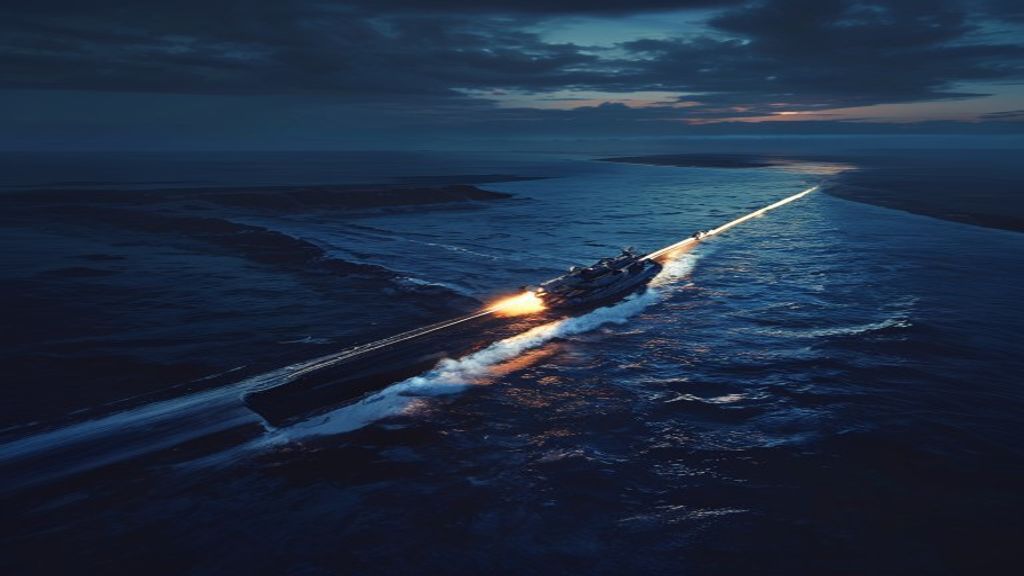
US Strikes Iran: A Game of Escalation in the Strait
The news broke on July 15, 2026: the United States launched new strikes against Iran, citing the need to protect vessels navigating the volatile Strait of Hormuz. This isn’t just another headline; it’s a critical moment, a stark reminder of the simmering tensions that threaten global oil flows and regional stability. We’ve seen this dance before, but the stakes feel higher this time.
The Strait of Hormuz: A Perilous Chokepoint
For decades, the Strait of Hormuz has been the world’s most important oil transit point. A narrow waterway connecting the Persian Gulf to the open ocean, it’s where a significant chunk of global oil supply passes daily. Any disruption here sends shockwaves through the global economy, impacting everything from gas prices at your local station to the cost of goods on shelves.
Why Now? The Immediate Trigger
While the official reason is protecting shipping, the timing is suspect. Sources close to the Pentagon, speaking on condition of anonymity, suggest a recent spate of Iranian harassment or direct attacks on commercial vessels may have pushed Washington to a breaking point. “We can’t afford to let them dictate terms in international waters,” one defense analyst, Dr. Evelyn Reed, commented via secure message. “This is about signaling resolve, but also a desperate attempt to deter further aggression.”
The Bigger Picture: More Than Just Oil
This isn’t solely about oil tankers. It’s about power projection, regional influence, and the delicate balance of alliances. Iran sees the Strait as a strategic lever, a means to exert pressure on adversaries and assert its regional dominance. The US, in turn, views its freedom of navigation there as non-negotiable. The current administration is under immense pressure to demonstrate strength, both domestically and internationally, especially with upcoming elections.
Expert Analysis: A Double-Edged Sword
Dr. Aris Thorne, a geopolitical strategist, warns of the inherent risks. “These strikes are a clear escalation. While they might offer short-term deterrence, they also risk provoking a more significant Iranian response. The question is, does the US have a comprehensive strategy beyond immediate retaliation, or are we simply playing whack-a-mole in a highly combustible region?” He added, “The economic fallout could be substantial if this spirals. Think supply chain disruptions, increased insurance premiums for shipping, and a potential surge in energy prices globally.”
What This Means For You
- Economic Impact: Expect potential fluctuations in oil prices and broader inflationary pressures if tensions escalate further.
- Global Stability: The Strait of Hormuz is a bellwether for global security. Increased conflict there signals wider geopolitical instability.
- Investment Strategy: For investors, energy sector volatility is a key consideration. Defensive plays or strategic bets on alternative energy sources might become more attractive.
The Path Forward: Uncertainty Reigns
The US claims these strikes are defensive and aimed at ensuring freedom of navigation. But the reality on the ground is a dangerous tit-for-tat that could easily spiral out of control. The world watches with bated breath, hoping diplomacy prevails, but preparing for the worst. The Strait of Hormuz remains a powder keg, and the fuse just got a little shorter.