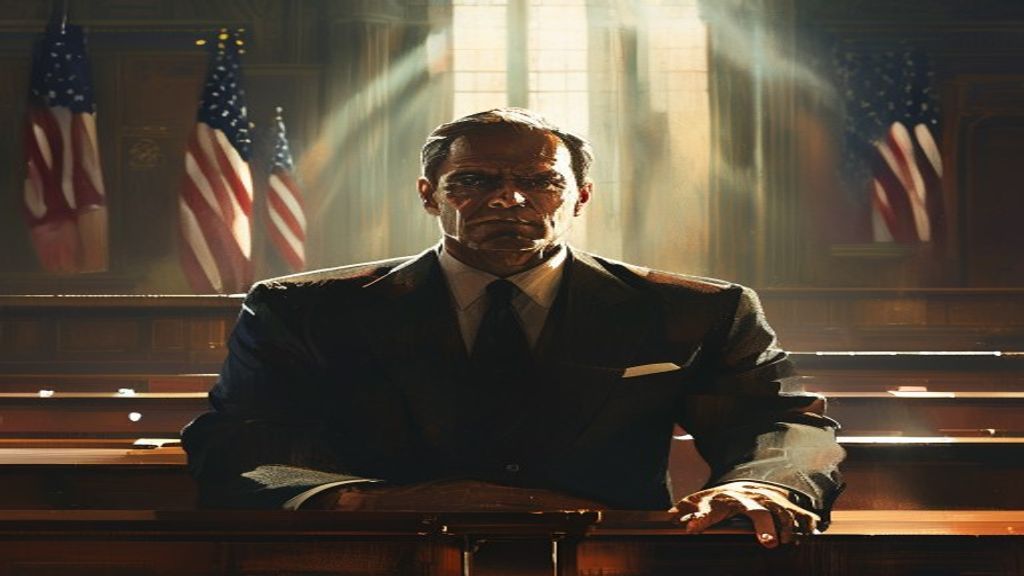
The confirmation hearing for Todd Blanche, former President Trump’s pick for Attorney General, wasn’t just another procedural spectacle. It was a stark, often uncomfortable, examination of the very soul of American justice. As Blanche fielded questions, the air crackled with unspoken tension: could a man so deeply entrenched in the defense of a controversial figure truly lead a Department of Justice tasked with impartial enforcement of the law?
The Tightrope Walk: Loyalty vs. Law
Blanche, known for his aggressive defense of Trump in various legal battles, found himself walking a political and ethical tightrope. Lawmakers pressed him on everything from his views on presidential immunity to the independence of the DOJ. What emerged was a performance carefully calibrated to reassure without alienating his former client’s base.
- A History of Advocacy: Critics immediately pounced on Blanche’s recent history. ‘His entire professional identity has been built on defending one man, often against the very institutions he now seeks to lead,’ observed legal analyst Dr. Evelyn Reed. ‘This isn’t just a resume point; it’s a fundamental conflict of interest that demands unprecedented transparency.’
- The ‘Weaponization’ Question: Expecting a barrage, Blanche was questioned extensively on the concept of ‘weaponizing’ the DOJ—a frequent refrain from the Trump camp. His answers, while affirming a commitment to non-partisanship, often felt evasive, leaving many wondering if the spirit of independence would truly prevail over political pressure.
Echoes of the Past: Barr, Mitchell, and the Politicized DOJ
For veteran observers, Blanche’s hearing evoked troubling historical parallels. The shadow of past Attorneys General, particularly William Barr and John Mitchell, loomed large. Both faced accusations of prioritizing presidential loyalty over the DOJ’s institutional integrity, leaving a stain on the department’s reputation.
‘We’ve seen this playbook before,’ stated former federal prosecutor Marcus Thorne. ‘The erosion of trust in the Department of Justice doesn’t happen overnight; it’s a slow, deliberate chipping away at its independence. Blanche’s nomination, given his background, demands an even higher standard of scrutiny.’
Why This Matters: The Bigger Picture
This isn’t merely about one man getting a job. The Attorney General holds immense power, shaping everything from civil rights enforcement to corporate antitrust actions, from environmental protection to election integrity. A politicized DOJ can:
- Undermine Public Trust: If the public perceives the DOJ as an extension of the White House, rather than an impartial arbiter, the rule of law itself is weakened.
- Impact Financial Markets: Regulatory enforcement, particularly in areas like corporate fraud or antitrust, can send ripples through the economy. A perceived shift in enforcement priorities could create significant uncertainty.
- Threaten Civil Liberties: Decisions on voting rights, immigration, and police reform are profoundly influenced by the AG. A leader prioritizing political agendas could roll back protections for vulnerable populations.
Actionable Takeaways for the Concerned Citizen
So, what now? The confirmation process is far from over, but the implications are immediate.
- Stay Engaged: Don’t let the news cycle move on. Follow the Senate’s deliberations closely.
- Demand Accountability: Contact your senators. Let them know you expect an Attorney General committed to the Constitution, not partisan interests.
- Support Independent Journalism: Critical analysis and investigative reporting are vital to holding power accountable.
Todd Blanche’s confirmation hearing wasn’t just a glimpse into his legal philosophy; it was a mirror reflecting the ongoing battle for the soul of American justice. The question remains: will the Department of Justice emerge stronger and more independent, or will it become another casualty in the relentless pursuit of political power?