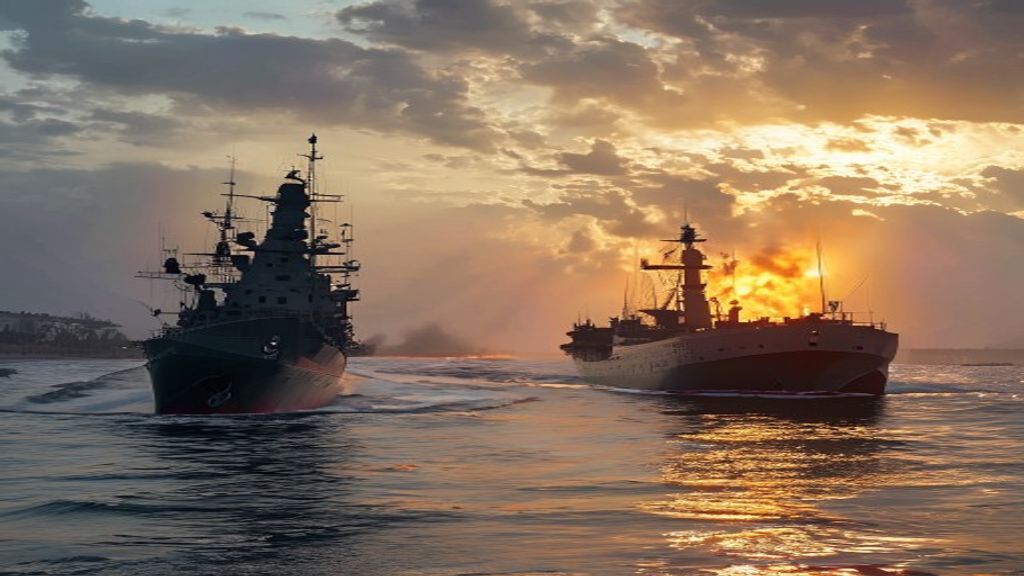
The Strait of Hormuz: A Fuse Lit in the Gulf
Forget the headlines screaming ‘intensified conflict.’ What we’re witnessing isn’t just a diplomatic spat; it’s a high-stakes gamble with the world’s economic jugular: the Strait of Hormuz. The US and Iran are on a collision course, and the proposed naval blockade isn’t merely a tactical maneuver—it’s a declaration of economic war with staggering global implications.
This isn’t a drill. When Iran threatens to shut down the Strait, it’s not idle bluster. They’ve done it before, albeit briefly, and the tremors were felt in every corner of the global market. Now, with the US response indicating a readiness to challenge any such move, we’re staring down the barrel of a crisis that could redefine supply chains, energy prices, and geopolitical stability for years to come.
Why This Matters to Your Wallet (and the World)
Let’s cut through the noise. The Strait of Hormuz is the world’s most critical oil transit chokepoint. Approximately 20% of the world’s petroleum liquids—including nearly all of Saudi Arabia’s, Iran’s, UAE’s, Kuwait’s, and Iraq’s crude oil exports—pass through this narrow channel daily. A blockade, even a partial one, would be catastrophic.
- Oil Price Shock: ‘We’re not talking about a modest bump at the pump,’ warns Dr. Anya Sharma, a veteran geopolitical risk analyst. ‘A full blockade could send Brent crude well past $150 a barrel overnight, triggering a global recession faster than any central bank could react.’ This isn’t just about gas; it impacts everything from manufacturing costs to food prices.
- Shipping Chaos: Insurance premiums for vessels entering the Gulf are already spiking, making transit prohibitively expensive for many. ‘Sources at Lloyd’s of London indicate some insurers are already refusing coverage for specific routes,’ a senior maritime broker told me off the record. This means delays, diversions, and ultimately, higher costs for every consumer good transported by sea.
- Supply Chain Meltdown: Beyond oil, the Strait is vital for container shipping. Imagine your holiday gifts, your electronics, your auto parts—all held hostage. The fragilities exposed during the pandemic would look like child’s play compared to a sustained Hormuz closure.
The US-Iran Chess Match: A Dangerous Escalation
Iran’s strategy is clear: leverage their geographic advantage to gain political concessions. Their naval capabilities, while no match for the US Fifth Fleet head-on, are designed for asymmetric warfare—mine laying, fast attack craft, and anti-ship missiles. The US response, emphasizing freedom of navigation, sets the stage for a perilous confrontation.
‘The US doctrine is unambiguous: freedom of navigation is non-negotiable,’ stated a former Pentagon official I spoke with. ‘But Tehran knows even a temporary disruption causes immense pain. They’re playing a dangerous game of chicken, hoping the economic fallout forces the world’s hand.’
The Bigger Picture: Geopolitical Dominoes
This isn’t just about oil; it’s about regional power and global influence. A naval blockade would test alliances, strain diplomatic ties, and potentially draw in other regional players. Saudi Arabia, the UAE, and Qatar would be directly impacted, raising the specter of a broader Middle East conflict.
* **China’s Dilemma:** As a major importer of Gulf oil, China faces a critical choice: secure its energy supply or maintain neutrality. Its actions could significantly shape the conflict’s trajectory.
* **Europe’s Vulnerability:** Heavily reliant on Middle Eastern energy, Europe would face severe economic shocks, potentially undermining its fragile recovery.
* **Domestic Pressure:** Both the US and Iranian leaderships face internal pressures. For Iran, it’s about survival and perceived strength. For the US, it’s about maintaining global leadership and protecting economic interests.
What’s Next? Actionable Takeaways for the Informed Reader
The situation is fluid, but the underlying tensions are concrete. Here’s what smart observers are tracking:
* **Monitor Oil & Gold Prices:** These are immediate barometers of escalating tension. Sharp, sustained spikes signal increased risk.
* **Watch Shipping Indices:** Data from Baltic Dry Index or similar freight cost indicators will reflect real-time supply chain stress.
* **Diversify & Hedge:** For businesses, now is the time to review supply chain resilience and consider energy price hedging strategies. For investors, commodities and defense stocks may see volatility.
* **Demand Diplomatic Solutions:** The only sustainable off-ramp is a diplomatic one. Pressure on international bodies to mediate will be crucial.
This isn’t just a news story; it’s a potential turning point. The world holds its breath as two powerful nations play a high-stakes game of brinkmanship in the most vital waterway on Earth.