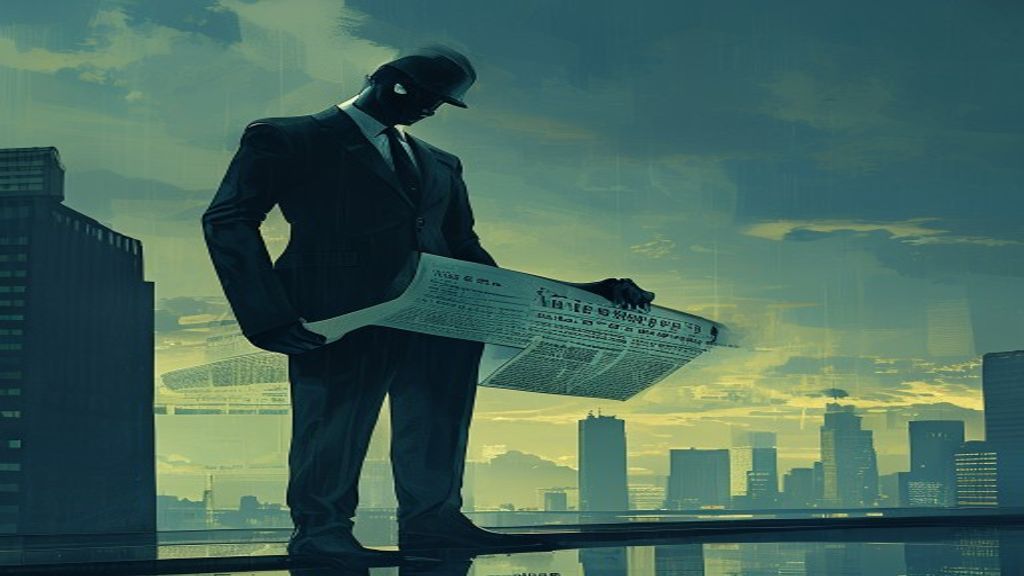
The Gloves Are Off: DOJ’s Dangerous Subpoena to the NYT
Let’s be clear: when the Justice Department subpoenas reporters from The New York Times over their Air Force One reporting, it’s not a routine legal maneuver. It’s a declaration of war on investigative journalism, a chilling escalation that threatens to redefine the boundaries of government transparency and press freedom in America. This isn’t just about classified information; it’s about control, intimidation, and the suffocating of public discourse.
The reporting in question, which detailed classified information regarding Air Force One’s capabilities, has apparently ruffled feathers at the highest levels. But the decision to subpoena journalists – demanding testimony and potentially forcing them to reveal sources – is a sledgehammer where a scalpel would suffice, if any action were truly warranted at all. This isn’t just a leak investigation; it’s a direct assault on the Fourth Estate.
Echoes of the Past, Shadows of the Future
Veteran media lawyers are sounding the alarm. “This takes us back to the darkest days of government attempts to muzzle the press,” notes Sarah Jenkins, a prominent First Amendment attorney. “We saw similar tactics in the Obama era, and a renewed hostility under Trump, but this feels different. This feels like a more calculated, insidious attempt to dismantle the mechanisms of accountability.”
Indeed, the historical precedent is grim. Administrations have long battled with the press over national security leaks, but the aggressive pursuit of reporters themselves, rather than just the leakers, marks a critical pivot. It sends a stark message to potential whistleblowers: speak out at your peril, because the government will come for the journalists who tell your story, too.
Why This Matters: Beyond the Headlines
The implications of this move ripple far beyond the newsrooms of the NYT:
- Erosion of Public Trust: When the government targets journalists for doing their job, it fosters an environment of suspicion and distrust between the public and its institutions. How can citizens make informed decisions if the flow of critical information is choked off?
- Chilling Effect on Whistleblowers: The lifeblood of investigative journalism often comes from individuals inside government who witness wrongdoing and feel compelled to expose it. This subpoena acts as a powerful deterrent, making potential sources think twice, or thrice, before coming forward.
- Financial & Legal Burden: Defending reporters against government subpoenas is an expensive, resource-draining battle. It diverts funds and attention from actual reporting, effectively punishing news organizations for pursuing stories in the public interest. “The legal costs alone can be crippling for smaller outfits,” remarks media finance analyst David Chen. “It’s a form of economic warfare against independent journalism.”
- Global Precedent: Authoritarian regimes worldwide eagerly watch how democracies handle press freedom. When the U.S. Justice Department goes after its own journalists, it hands a powerful propaganda tool to those who seek to suppress dissent and control information in their own countries.
The Bigger Picture: A Fight for Transparency
This isn’t merely a legal skirmish; it’s a fundamental test of the balance of power between government and the governed. Our democracy thrives on an informed populace, and an informed populace relies on a free and unfettered press. When the state attempts to strong-arm journalists into revealing their sources, it’s not protecting national security; it’s protecting its own secrets, often at the expense of transparency and accountability.
“National security is a convenient shield for government overreach,” argues former intelligence officer Mark Davies. “While legitimate secrets must be protected, the line between protecting secrets and hiding uncomfortable truths is constantly blurred. Journalists are essential in holding that line.”
What You Can Do: Actionable Takeaways
This situation demands more than just hand-wringing. Here’s how you, the informed citizen, can respond:
- Support Independent Journalism: Subscribe, donate, and share content from reputable news organizations committed to investigative reporting. Their financial independence is their strongest shield.
- Demand Transparency: Contact your elected officials. Let them know you oppose government actions that undermine press freedom and transparency. Advocate for stronger protections for journalists and their sources.
- Stay Informed & Critical: Don’t just consume headlines. Dig deeper, understand the context, and critically evaluate claims from both government and media.
- Educate Others: Share this analysis. Help others understand the profound implications of these actions for our democracy.
The Justice Department’s subpoena isn’t just a story; it’s a warning shot. How we, as a society, react to it will determine the future of press freedom and, by extension, the health of our democracy.