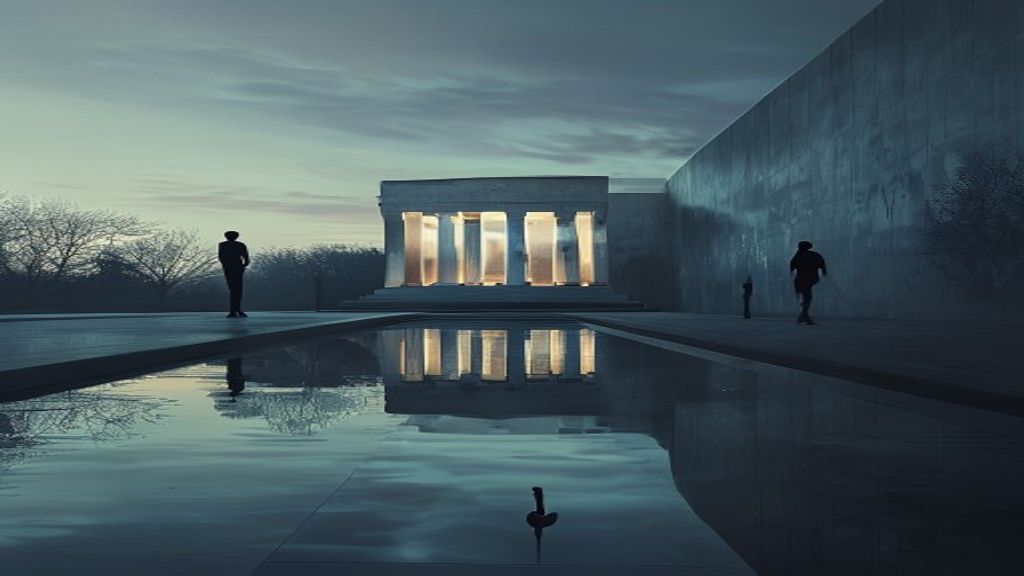
The news hit like a cold splash of water, much like what allegedly befell the hallowed waters of the Lincoln Memorial Reflecting Pool. U.S. Olympic canoeist David ‘Davey’ Hearn, a name once synonymous with athletic aspiration, now stands charged with defacing one of America’s most potent symbols. This isn’t just a petty act of vandalism; it’s a stark, public unraveling that demands a deeper look beyond the headlines.
From Olympian to Outcast: The Shocking Allegations
For those unfamiliar, the Reflecting Pool isn’t just a large puddle in Washington D.C. It’s the silent witness to historic marches, monumental speeches, and countless moments of national reflection. It’s where Martin Luther King Jr. delivered his ‘I Have a Dream’ speech. It’s sacred ground. So, when reports emerged that Hearn, an athlete who represented the U.S. at the 2004 Athens Olympics, was allegedly involved in spray-painting obscenities and other graffiti there, the reaction wasn’t just surprise; it was disbelief, then anger.
The U.S. Park Police report paints a grim picture: Hearn, along with another individual, allegedly targeted the pool’s interior walls. The charges include defacing government property – a federal offense that carries significant weight, both legally and symbolically. This isn’t a youthful prank gone awry; it’s an act of profound disrespect against a national monument.
The Unseen Costs and Damaged Trust
Beyond the immediate legal ramifications for Hearn, the broader implications are far-reaching. The cost of cleanup and restoration, while potentially substantial, pales in comparison to the damage inflicted upon the public trust and the image of American athletes.
- Reputational Ruin: ‘This isn’t merely a lapse in judgment; it’s a profound betrayal of the trust placed in public figures, especially those representing our nation on a global stage,’ remarked Dr. Evelyn Reed, a sports ethics professor at Georgetown University. ‘It tarnishes the entire Olympic movement and the ideals it stands for.’
- Financial Burden: While specific figures are pending, the specialized cleaning required for historic monuments often runs into tens of thousands of dollars, paid for by taxpayers. ‘Incidents like this, especially involving a national figure, cast an unfortunate shadow. It’s not just about cleanup costs; it’s about the narrative we present to the world,’ a tourism official, preferring anonymity, confided.
- Impact on Youth: What message does this send to aspiring young athletes who look up to Olympians? That national representation comes with no obligation for public conduct?
Why This Matters: A Deeper Reflection
This incident isn’t an isolated anomaly; it’s a flashing red light. It forces us to ask critical questions about accountability, the pressures on athletes, and our collective respect for shared national heritage.
Was this an act of misguided protest? A cry for attention? Or simply a catastrophic failure of judgment? While we await the full legal process, the public conversation must extend beyond condemnation. ‘The pressure on Olympic athletes is immense, but it rarely manifests in such destructive public acts,’ noted Dr. Ben Carter, a prominent sports psychologist. ‘This suggests a deeper internal struggle or a shocking lack of respect for public property that needs to be addressed.’
The U.S. Olympic and Paralympic Committee (USOPC) faces an uncomfortable spotlight. What mechanisms are in place for athlete conduct post-games? How do we ensure that those who carry our nation’s flag understand the weight of that honor, both on and off the field of play?
Actionable Insights for a Better Future
This regrettable incident offers crucial lessons:
- Reinforce Athlete Conduct: Sporting bodies must implement and enforce stringent codes of conduct that extend beyond active competition, clearly outlining consequences for public misconduct.
- Support Systems: Invest more in mental health and transition support for athletes post-career. The Olympic spotlight is fleeting, and the adjustment can be brutal.
- Civic Education: A renewed emphasis on civic responsibility and respect for national symbols is vital, not just for public figures but for all citizens.
Davey Hearn’s alleged actions at the Reflecting Pool are a stain, not just on his record, but on the broader perception of sportsmanship and national pride. It’s a sobering reminder that the pedestals we place our heroes on are fragile, and their fall can reverberate far beyond the individual, demanding a collective moment of reflection – one that, ironically, might be best served by the very pool he allegedly defaced.