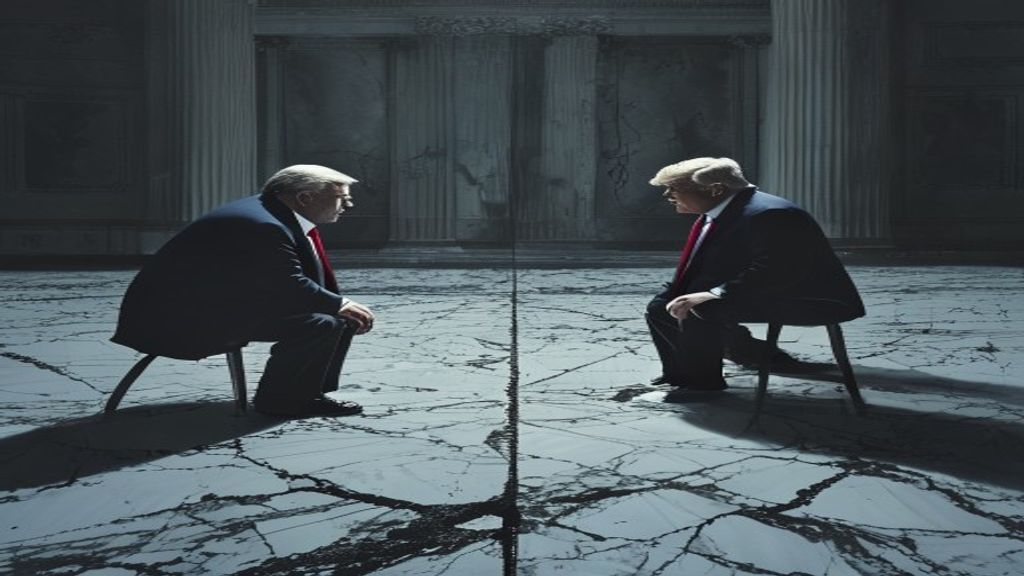
In the high-stakes arena of Washington politics, every move, every vote, and every perceived ‘defeat’ carries ripple effects. The recent political setback involving Senator John Cornyn of Texas has done more than just shift the immediate legislative landscape; it has sharply underscored the enduring, often fraught, relationship between the Senate G.O.P. and former President Donald Trump, fueling tensions that continue to define the party’s direction.
The Latest Chasm: Cornyn’s Political ‘Defeat’
While not a traditional electoral loss, Cornyn’s ‘defeat’ refers to a significant legislative or internal party setback where his more institutionalist approach clashed directly with the populist currents amplified by Trump. This isn’t about a single lost election but rather a perceived weakening of his influence on a key issue, or a failure to rally sufficient support for a particular policy stance within his own caucus, often undermined by direct or indirect opposition from the Trump wing.
Cornyn, a seasoned veteran and former Senate Majority Whip, has long navigated the complex currents of the Republican Party. He’s known for his legislative acumen and willingness to engage in bipartisan discussions—a trait that, in the Trump era, has often been viewed with suspicion by the former President’s most ardent supporters. This latest episode highlights the precarious position of Republicans who attempt to bridge the divide between traditional conservative principles and the populist demands of the Trump base.
The Underlying Friction: A History of Disagreement
The tensions between Cornyn and Trump are not new. Their relationship has been characterized by a series of public and private disagreements:
- 2020 Election Integrity: Cornyn was among the Republicans who acknowledged President Biden’s victory, a stance that drew Trump’s ire and fueled accusations of disloyalty.
- Infrastructure Bill: While ultimately voting for the bipartisan infrastructure package, Cornyn initially expressed concerns about its cost, but his willingness to engage across the aisle on such a signature Biden initiative was often viewed skeptically by Trump loyalists.
- Gun Control Legislation: Following tragic mass shootings, Cornyn played a key role in negotiating the bipartisan Safer Communities Act. This effort, while praised by many as a step forward, was met with sharp criticism from segments of the Republican base and Trump allies who viewed it as a betrayal of Second Amendment principles.
Each of these instances chipped away at the perceived unity within the party, positioning Cornyn as a target for those who demand unwavering fealty to Trump’s agenda and rhetoric. The recent ‘defeat’ is merely the latest manifestation of this ongoing ideological and strategic battle.
Trump’s Enduring Shadow Over the Senate G.O.P.
Even out of office, Donald Trump’s influence over the Republican Party remains immense. His endorsements can make or break a primary campaign, and his criticisms can effectively sideline or delegitimize a politician in the eyes of a significant portion of the base. This dynamic forces many Republican senators into a difficult choice: align with Trump’s populist agenda or risk alienating a powerful segment of their voters.
The ‘defeat’ of a figure like Cornyn—a long-serving, respected legislator—serves as a potent reminder of this reality. It suggests that even Republicans with deep institutional knowledge and a track record of conservative governance can find their efforts stymied if they deviate from the Trump-aligned narrative.
Implications for Senate Unity and Future Elections
This escalating tension carries significant implications for the Senate G.O.P.:
- Fractured Cohesion: The party struggles to present a united front on critical issues. The internal divisions make it harder to pass legislation, even when Republicans are in the majority, and complicate efforts to craft a cohesive message for voters.
- Primary Challenges: Senators perceived as insufficiently loyal to Trump often face well-funded primary challenges from candidates endorsed by the former President, pushing the party further to the right.
- 2024 Landscape: As the 2024 election cycle looms, these internal battles could weaken the party’s ability to effectively challenge Democrats. A party consumed by infighting risks losing focus on broader electoral strategies and voter engagement.
- Leadership Dynamics: The ‘defeat’ of a senior figure like Cornyn could signal a shift in internal power structures, potentially elevating more staunchly pro-Trump voices within the Senate G.O.P. leadership.
The Road Ahead: Navigating a Divided Party
For Senator Cornyn, the path forward involves a careful recalibration. While his political future isn’t in doubt in the short term, his ability to influence policy and shape the party’s direction will continue to be tested by the powerful forces aligned with Trump. His challenge, and that of other traditional conservatives, is to find a way to remain relevant and effective in a party increasingly defined by its populist wing.
The Cornyn setback isn’t just a political footnote; it’s a stark indicator of the ongoing ideological tug-of-war within the Republican Party. It highlights how deeply ingrained Trump’s influence remains and the difficult terrain that traditional conservatives must navigate. As the G.O.P. looks to the future, these internal tensions will continue to shape its strategies, its leadership, and ultimately, its electoral fortunes.